The Convergence of Historic Racing Venues and Digital Betting Platforms
Written by Frankie Sullivan · Oct 7, 2026
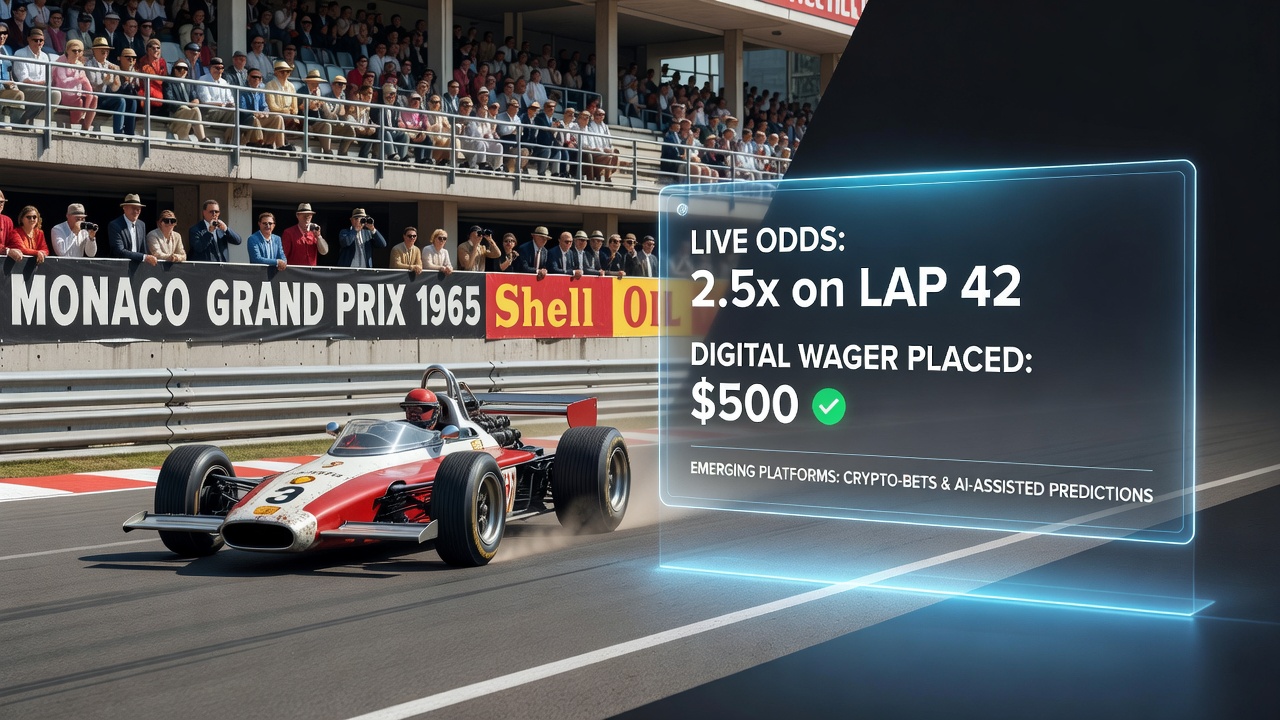
The Convergence of Historic Racing Venues and Digital Betting Platforms
Traditional racing circuits have long served as physical hubs for spectators and bettors alike, yet their operations now intersect directly with digital platforms that deliver real-time wagering options across continents. Data from industry reports indicates that attendance at major venues continues alongside rising mobile engagement, where users access odds, place bets, and view live feeds without leaving their seats at the track. This integration allows circuits to maintain their role as event centers while operators expand reach through apps that sync with on-site activities.
Historical Foundations of Circuit-Based Wagering
Racing venues developed structured betting systems over decades, relying on tote machines, bookmakers, and in-person transactions that formed the core revenue model for events like thoroughbred meets and motorsport series. Observers note that these methods emphasized local participation and immediate payouts, creating patterns where bettors gathered in designated areas to follow races. Research indicates that such setups provided foundational data on wagering volumes, which later informed the design of digital systems seeking to replicate that immediacy on screens. Circuits adapted by installing Wi-Fi infrastructure and digital displays that broadcast odds alongside physical announcements, ensuring continuity between past practices and current interfaces.
Take one series of events at European circuits where officials partnered with technology providers to introduce terminals that feed directly into online ledgers, allowing seamless transitions for patrons who begin bets on-site and complete them via apps later. This approach preserved the atmosphere of the venue while expanding access for remote participants who follow the same races through synchronized feeds.
Technological Integration at Modern Venues
Digital interfaces now embed within circuit operations through APIs that connect track sensors to betting platforms, delivering updates on horse positions, lap times, or vehicle telemetry in seconds. Figures reveal that several North American tracks implemented such connections by mid-2025, resulting in measurable increases in bet frequency during live events. Those who manage these systems point out that the technology reduces delays between race outcomes and payout processing, while maintaining compliance with regional rules on age verification and transaction limits.

What's notable is how venues incorporate geofencing to restrict or permit certain bets based on user location within the circuit grounds, creating layered access that aligns physical presence with digital permissions. Studies from academic institutions in Australia have examined these setups and found they support higher engagement rates without displacing traditional ticket windows, which remain operational for those who prefer cash transactions. Circuits in Asia have followed similar paths, integrating facial recognition at entry points that links to verified betting accounts for faster processing during peak hours.
Regulatory Frameworks Across Regions
Government agencies in multiple jurisdictions oversee the balance between circuit activities and digital platforms, with rules that address data sharing, responsible gaming tools, and cross-border transactions. According to reports from the Australian Communications and Media Authority, platforms must display real-time risk warnings during live events at affiliated tracks, a measure that extends protections from physical venues into virtual spaces. Canadian provincial regulators have introduced parallel requirements that mandate circuit operators to report aggregated betting data from both on-site and app-based sources, allowing oversight bodies to monitor trends across channels.
European racing associations coordinate with national authorities to standardize interface features such as session timers and deposit caps, ensuring consistency for events that draw international audiences. These frameworks evolve as circuits host hybrid events where digital overlays appear on stadium screens, blending the two environments without altering core racing rules or schedules.
Future Developments in October 2026 and Beyond
Plans announced for October 2026 include expanded testing of blockchain-based ledgers at select circuits in the United States, where transaction records from both traditional and digital sources merge into unified audit trails. Industry organizations such as the National Thoroughbred Racing Association have outlined pilot programs that link on-track kiosks directly to decentralized platforms, aiming to reduce settlement times while preserving transparency for regulators. Observers note that these initiatives build on existing infrastructure upgrades, with circuits allocating resources to train staff on managing digital queries alongside physical operations.
Additional collaborations between venue managers and software developers focus on augmented reality features that project betting statistics onto trackside views, tested first at smaller regional meets before larger rollouts. Data shows participation levels holding steady across age groups when such tools remain optional rather than mandatory.
Conclusion
The interplay between established racing circuits and emerging digital betting interfaces continues through coordinated infrastructure, shared data standards, and region-specific regulations that support both environments. Circuits maintain their role as central gathering points while platforms extend access, with ongoing adaptations evident in technological pilots scheduled through late 2026. This structure allows wagering activity to flow across physical and virtual boundaries based on verified patterns rather than isolated systems.